
Dental Fillings in Muswell Hill
Tooth-coloured fillings that blend seamlessly with your smile, restoring strength and comfort to a damaged tooth in a single, straightforward appointment.
- Natural-looking, tooth-coloured composite materials
- Replace old metal fillings with a discreet, modern alternative
- Quick, comfortable treatment, usually in one visit

Two of the most common reasons
Most fillings are placed for one of two reasons: visible decay that's been picked up at a check-up, or a toothache that's brought you in sooner than planned. Either way, the earlier we treat it, the simpler and more comfortable it is.
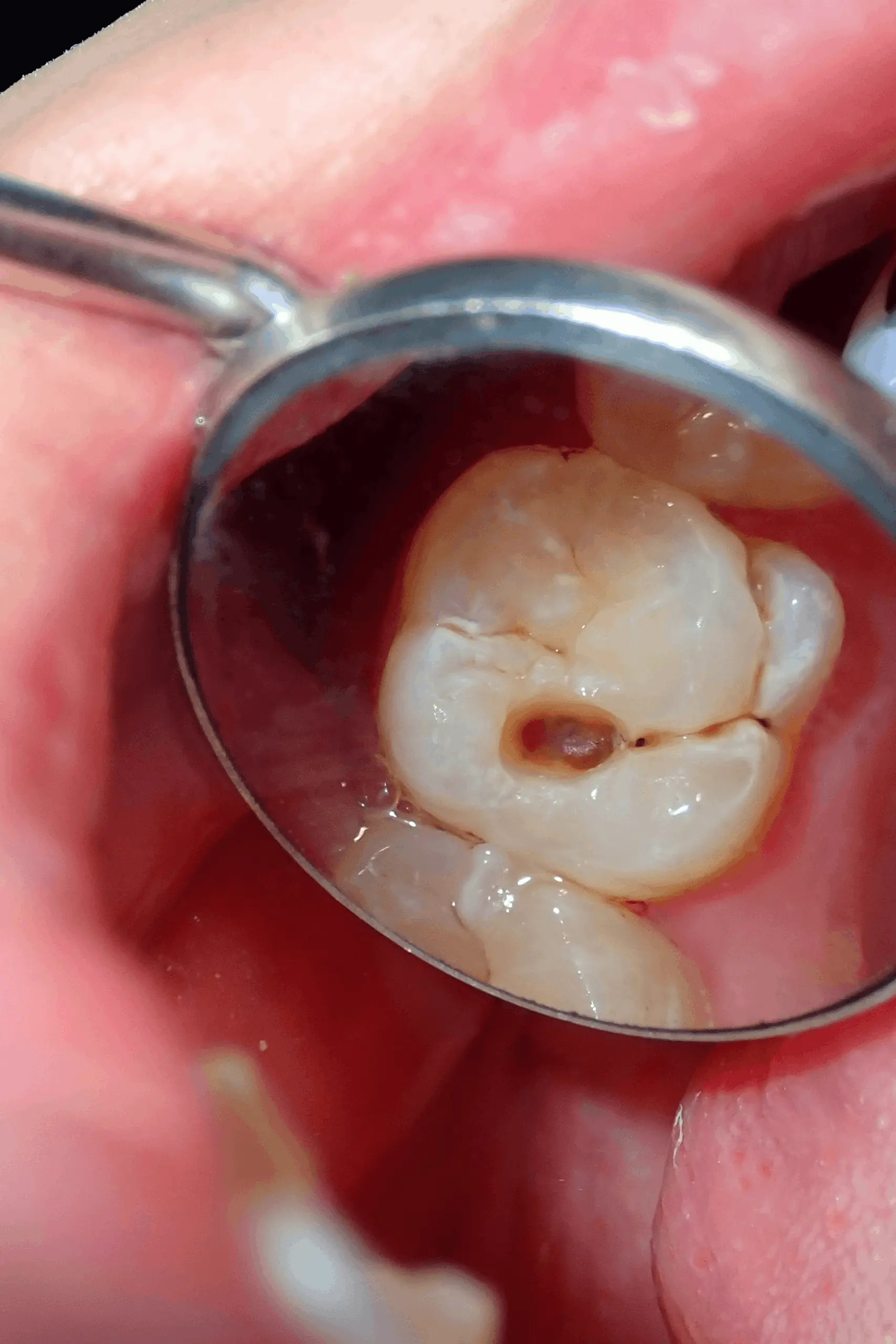
Tooth decay (cavity)
Decay often starts small and without any symptoms. It's usually spotted during a routine check-up or on an X-ray before you feel a thing, which is exactly why regular visits matter.
- Often no pain at all in the early stages
- A visible dark spot or hole in the tooth
- Mild sensitivity to sweet food or cold drinks
- A rough or catching edge you can feel with your tongue
- Picked up on X-ray before any visible signs appear

Tooth pain or sensitivity
A toothache is your body telling you something needs attention. It may be decay that's reached the deeper layers of the tooth, a crack, or a failing old filling that needs replacing.
- Sharp pain when biting down on food
- Lingering sensitivity to hot or cold that doesn't fade
- A dull, persistent ache in one area of the mouth
- Pain around an existing filling that's cracked or worn
- Discomfort that comes and goes but keeps returning
Caught early, a filling is all it takes
The sooner decay or damage is treated, the smaller the filling and the more tooth structure we can preserve. Left too long, what could have been a simple filling may need a crown or root canal treatment instead.
Modern fillings that look and feel natural
We use tooth-coloured composite as standard. It bonds directly to the tooth, preserves more of the healthy structure, and nobody will know it's there.

What happens when you have a filling
A filling is one of the most straightforward treatments in dentistry. The whole process is usually completed in a single appointment, often in well under an hour.
We examine the tooth carefully and may take a small X-ray to see the full extent of the decay or damage. We'll explain what we've found, confirm that a filling is the right approach, and talk you through what to expect before we begin.
We apply a topical gel to numb the gum first, then use local anaesthetic to ensure the tooth and surrounding area are completely numb. You won't feel any pain during the procedure, just a gentle pressure as we work.
We gently remove the decayed or damaged portion of the tooth, taking care to preserve as much healthy structure as possible. The cavity is then cleaned and prepared so the filling material can bond securely to the remaining tooth.
We apply the tooth-coloured composite in thin layers, hardening each layer with a special curing light. Once built up to the right shape, we carefully sculpt and polish the filling so it matches the natural contours of your tooth and feels comfortable when you bite down.

Common questions about fillings
Honest answers to the things patients most often want to know before, during and after having a filling.