
Tooth Extraction in Muswell Hill
When a tooth genuinely can't be saved, we'll remove it as gently and comfortably as possible, and make sure you know exactly what comes next.
- Thorough numbing so you feel no pain during the procedure
- Same-day emergency extraction appointments available
- Clear aftercare guidance and replacement options discussed
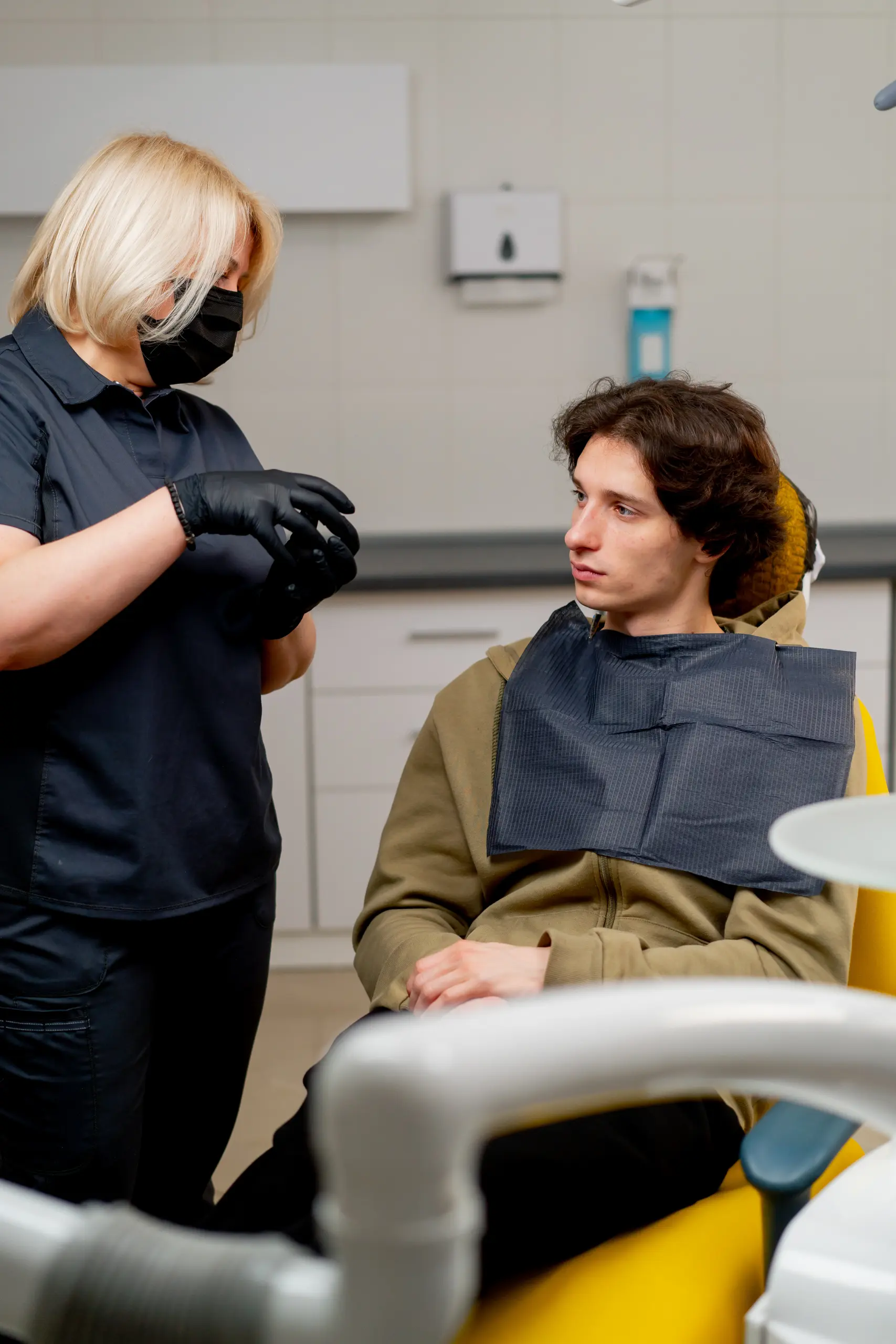
Extraction or save the tooth?
We'll always try to save a tooth first. But when that's no longer possible, or when extraction is genuinely the better option, we'll explain why honestly and help you plan what comes next.

Tooth extraction
Removes the tooth completely. Sometimes this is the right call, particularly when the tooth is too damaged to restore or is causing repeated problems that other treatments can't resolve.
- Tooth is severely fractured below the gumline
- Advanced decay with too little structure left to restore
- Repeated infections that haven't responded to treatment
- Severe gum disease with significant bone loss around the tooth
- Impacted or problematic wisdom teeth

Save the tooth with root canal
If the tooth structure is still sound, root canal treatment can remove the infection inside while keeping the natural tooth in place, avoiding the need for a replacement altogether.
- Keeps your natural tooth and root in the jawbone
- Prevents bone loss that starts after extraction
- No gap, so neighbouring teeth stay in position
- Avoids the cost and time of an implant, bridge or denture
- High success rate, and the tooth can last a lifetime
We'll give you an honest assessment
If extraction is genuinely the best option, we'll tell you straight. If the tooth can be saved, we'll explain how. Either way, you'll have the full picture before you decide.
Why replacing a tooth sooner matters
An extraction solves the immediate problem, but the gap it leaves can cause a chain of changes you might not expect. Planning a replacement early helps you avoid them.
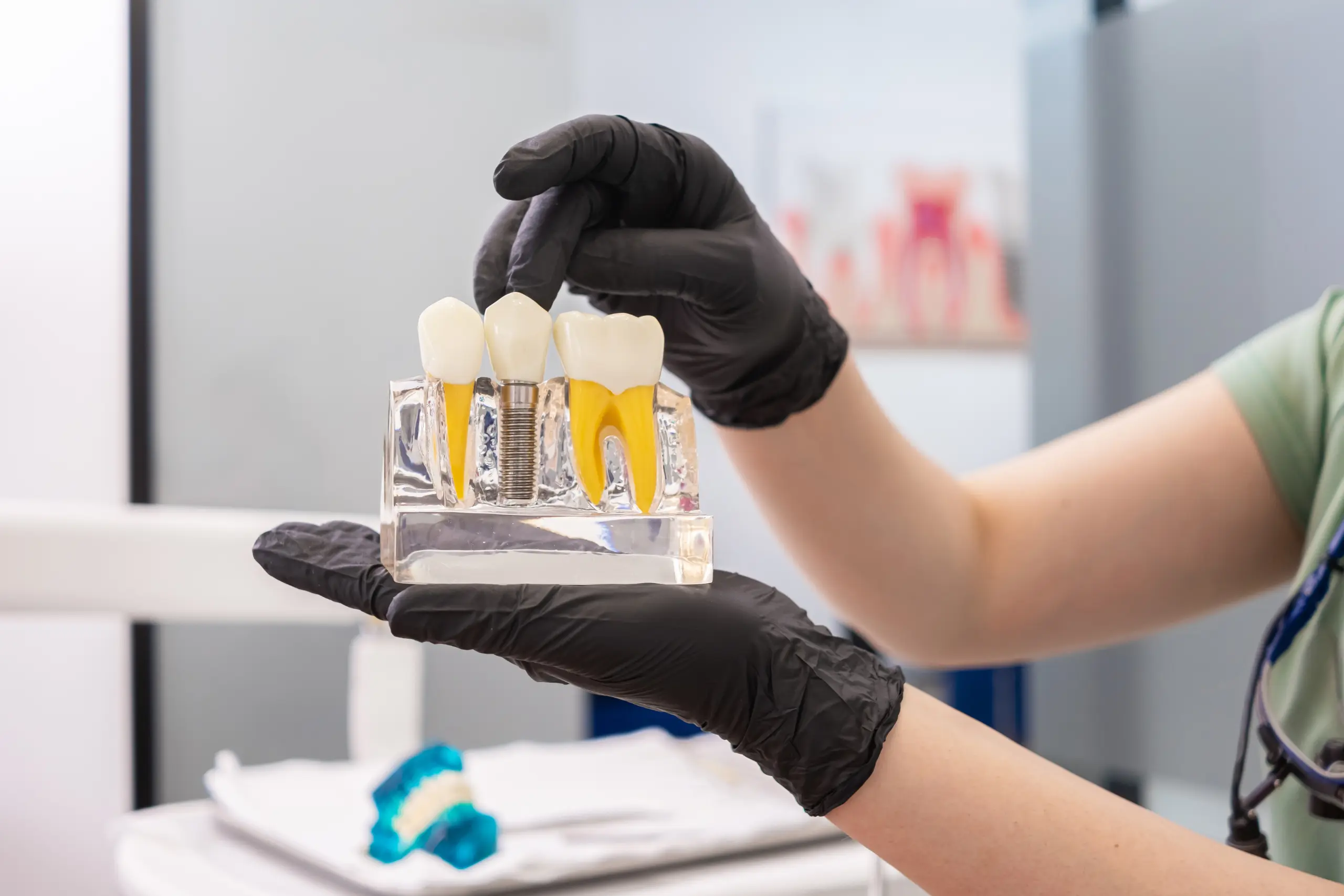
How we extract a tooth, step by step
Knowing exactly what will happen takes the uncertainty out of the experience. Here's how a straightforward extraction works from start to finish.
We examine the tooth and take an X-ray to see the root shape, position and surrounding bone. This tells us exactly what we're working with and helps us plan the safest, most comfortable approach for removing it.
We apply a topical gel first so you won't feel the injection, then administer local anaesthetic around the tooth. We always wait until you're completely numb before we begin, and we'll check with you before proceeding.
Using careful, controlled movements, we loosen the tooth within its socket and ease it out. You'll feel pressure but no pain. For more complex cases, we may need to section the tooth into smaller pieces to remove it as gently as possible.
We clean the socket, place gauze to control bleeding and wait until a stable clot has formed. You'll receive clear written aftercare instructions covering what to eat, how to keep the area clean and what to expect over the following days.
Before you leave, we'll talk through how to replace the missing tooth if needed, whether that's an implant, bridge or denture. Starting the conversation early means we can plan ahead while healing is already underway.

Questions about tooth extraction
Straight answers to the things patients most often want to know before having a tooth removed.