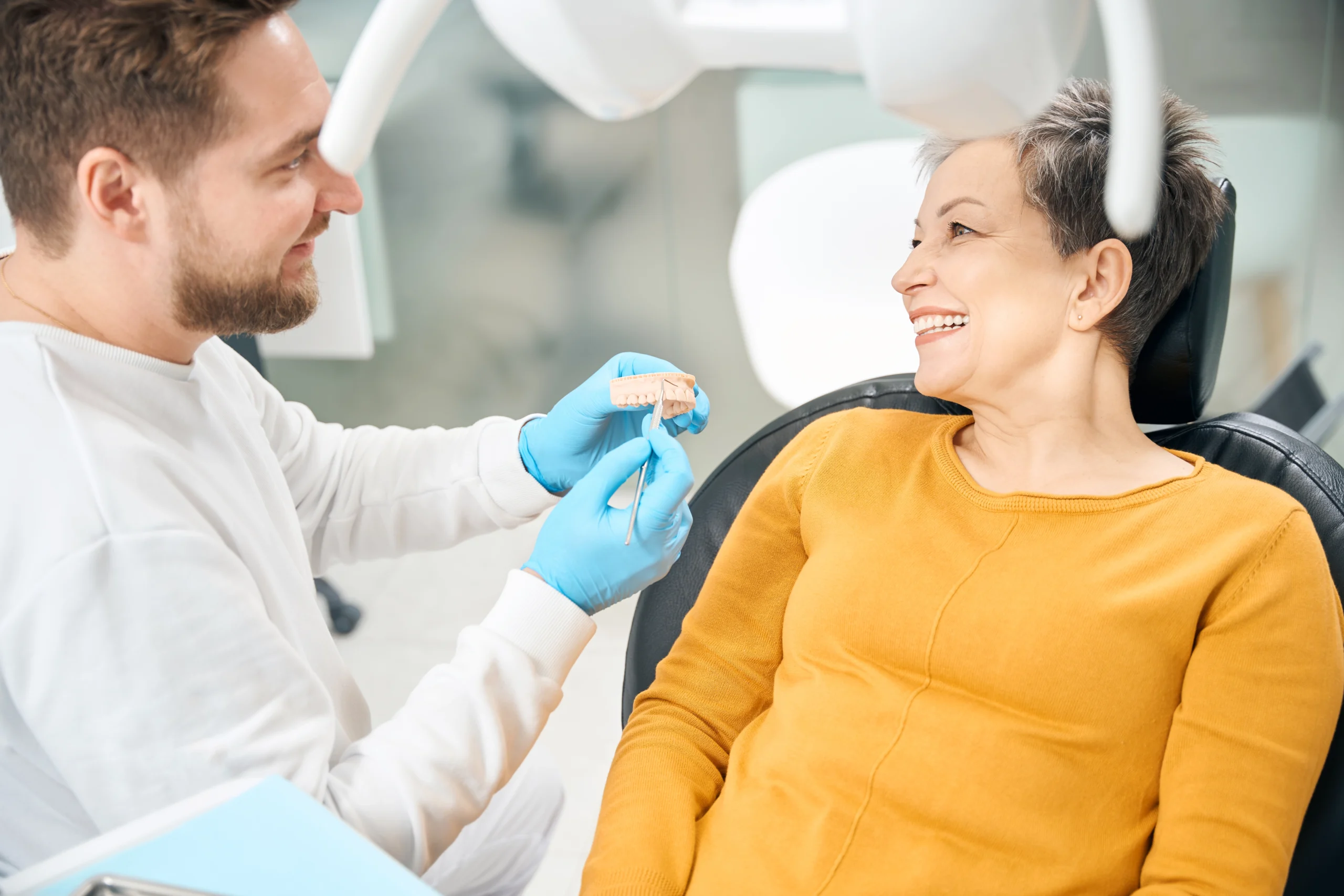
Restorative dentistry
Biomimetic dentistry in Muswell Hill
Treatments that work with your natural tooth, not against it. We preserve as much healthy structure as possible and build restorations that mimic the way real teeth behave.
- Minimally invasive approach to every treatment
- Preserves and strengthens natural tooth structure
- Fewer root canals, fewer crowns, longer-lasting results
5.0 on Google
Minimally invasive approach
Minimally invasive
Interest-free finance available
Finance available
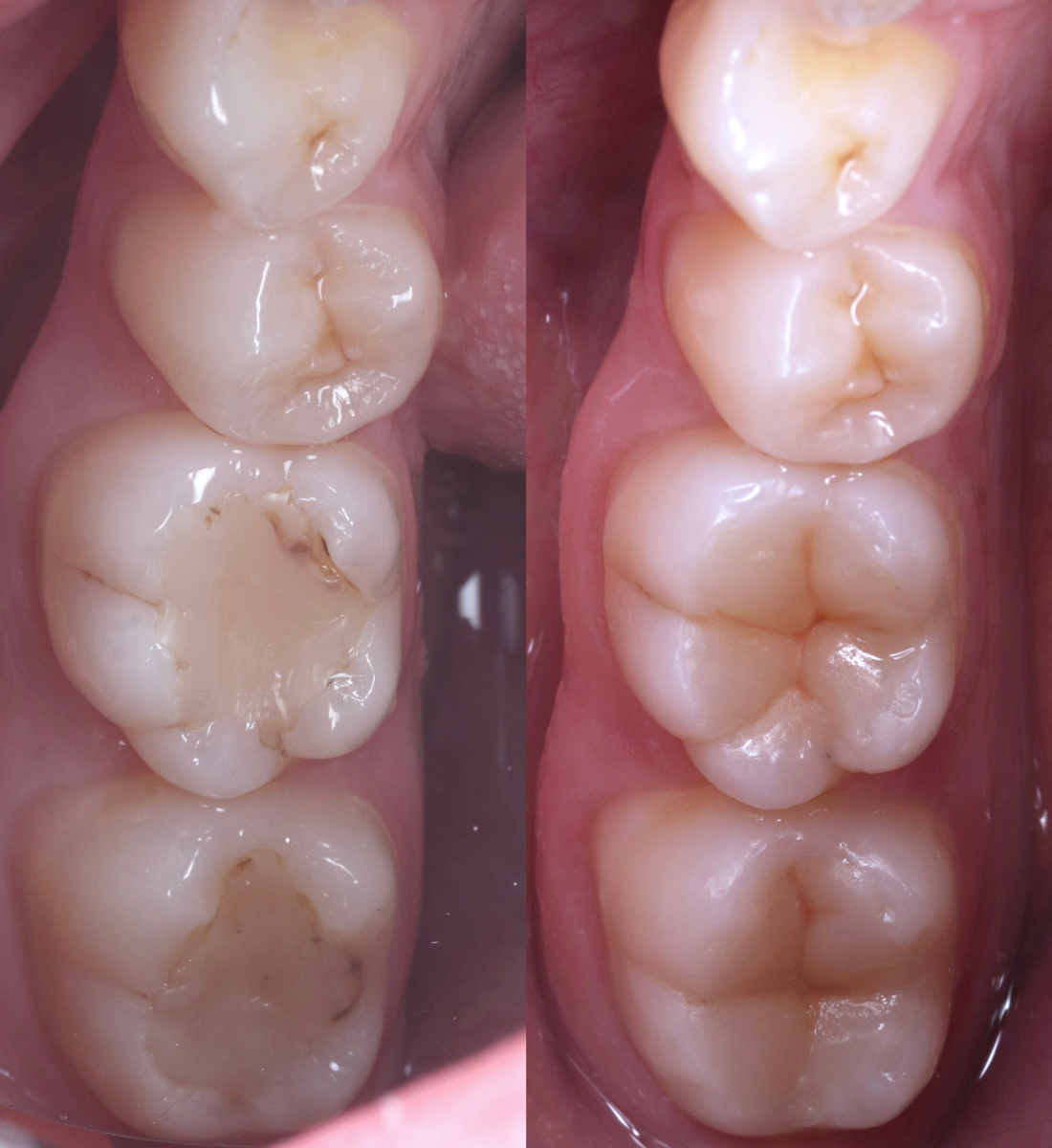
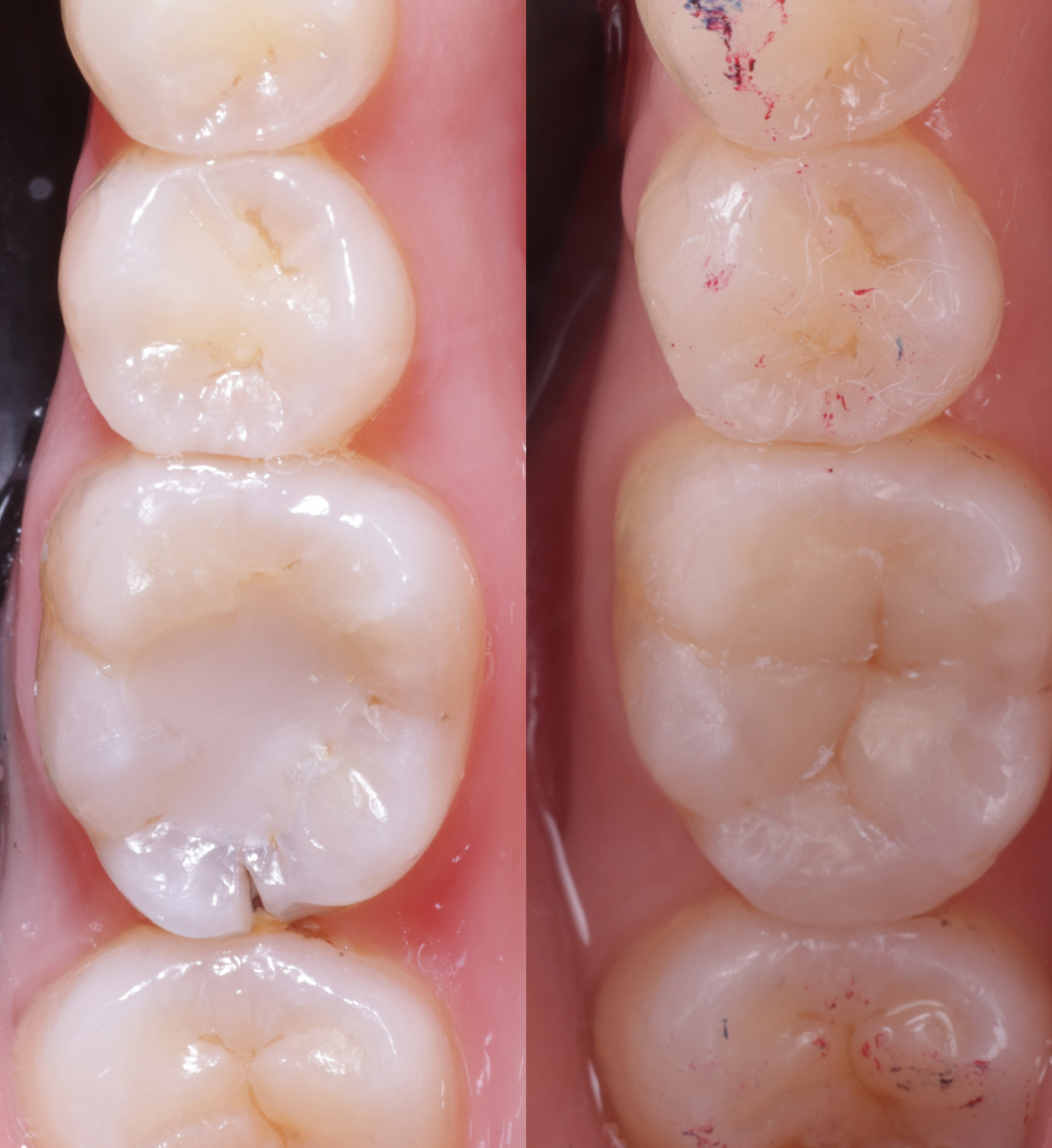
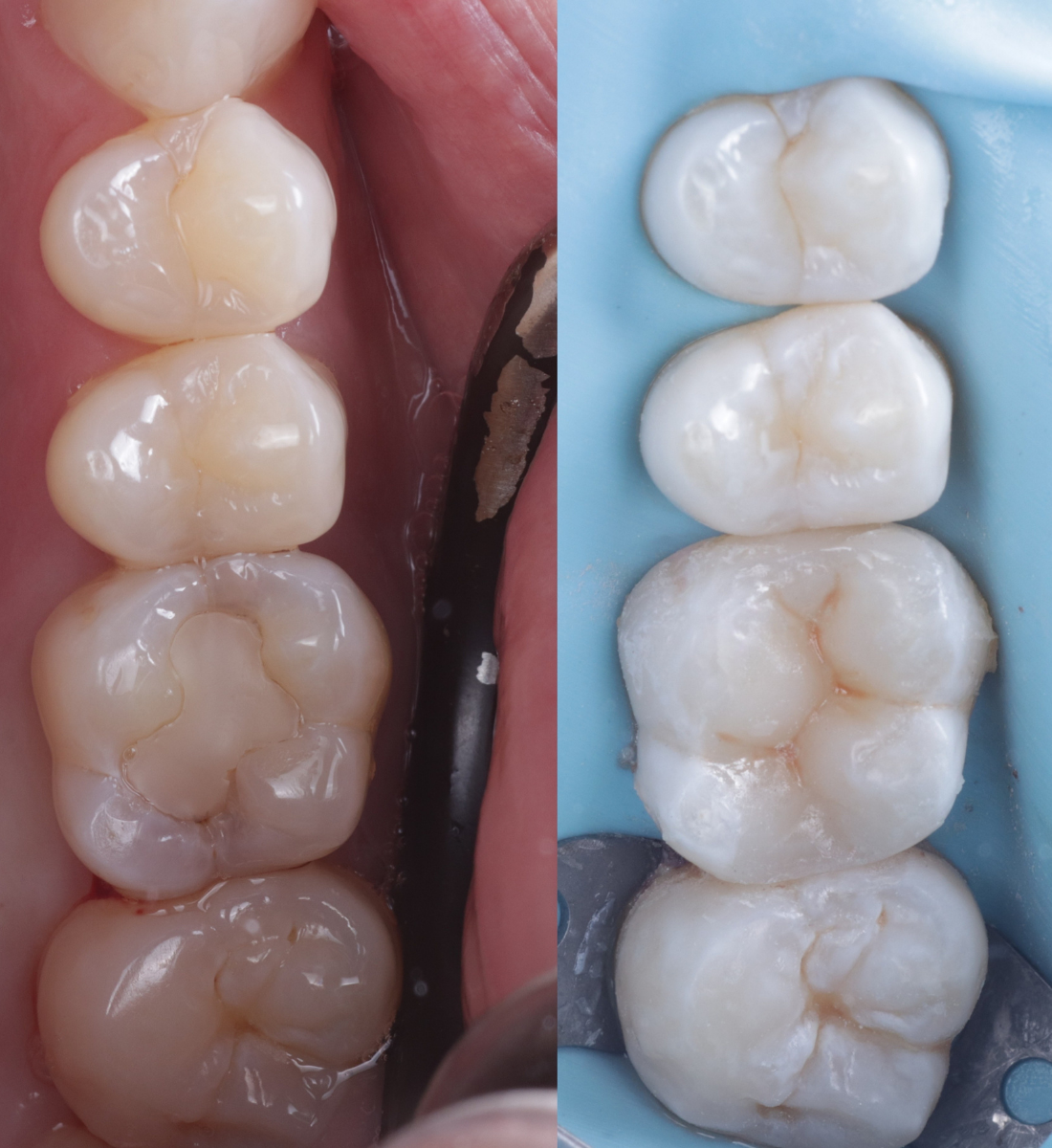
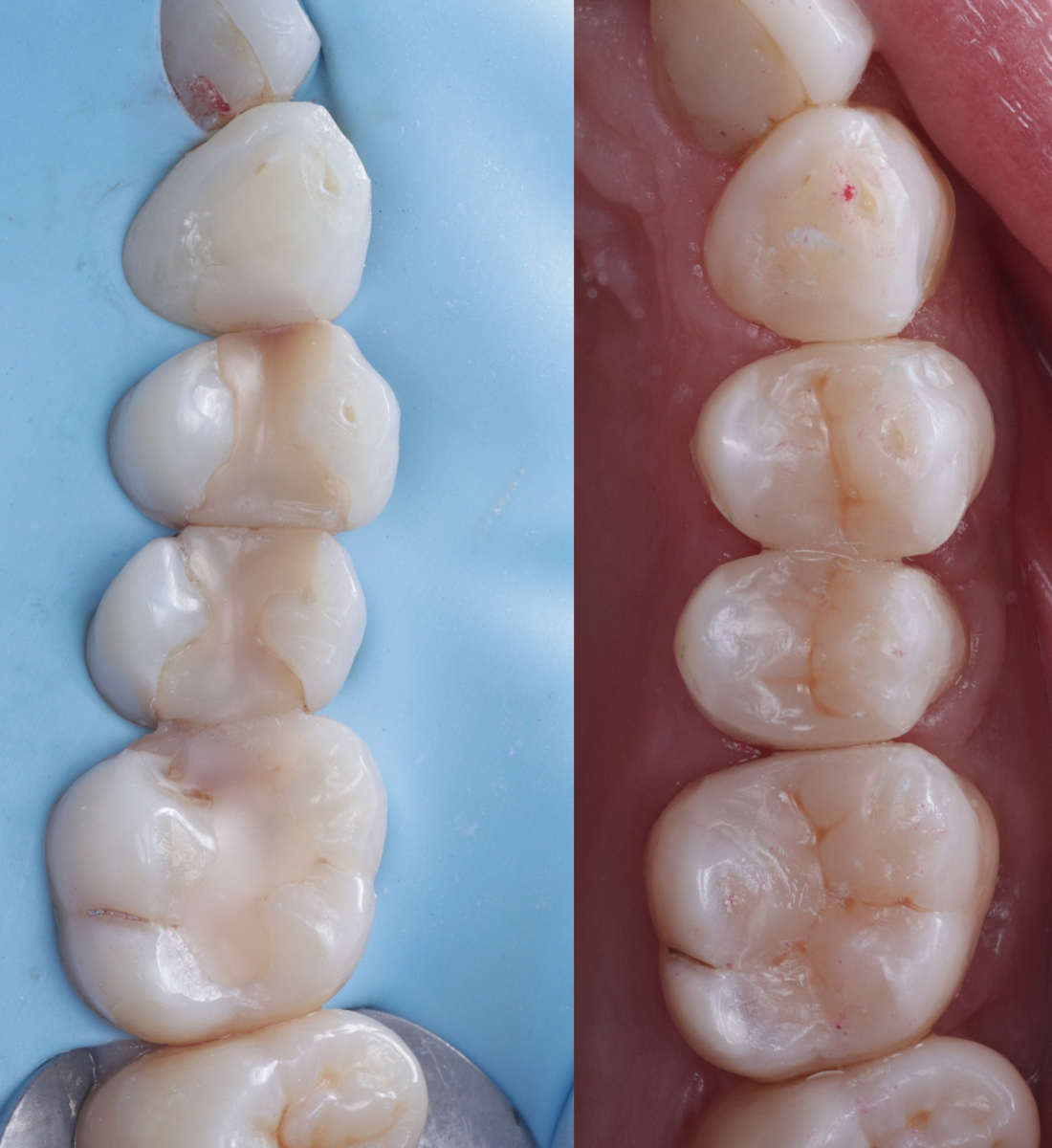
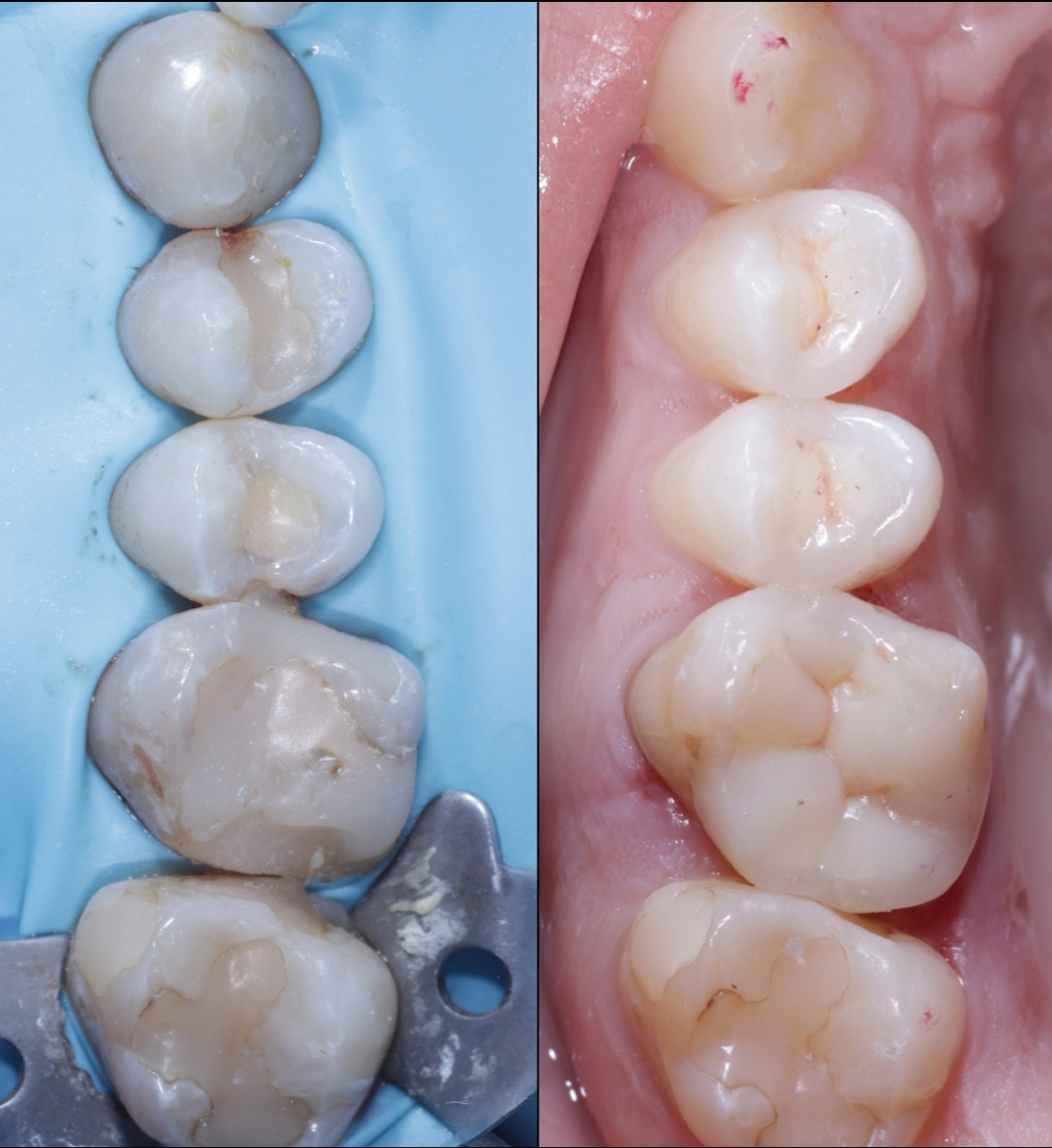
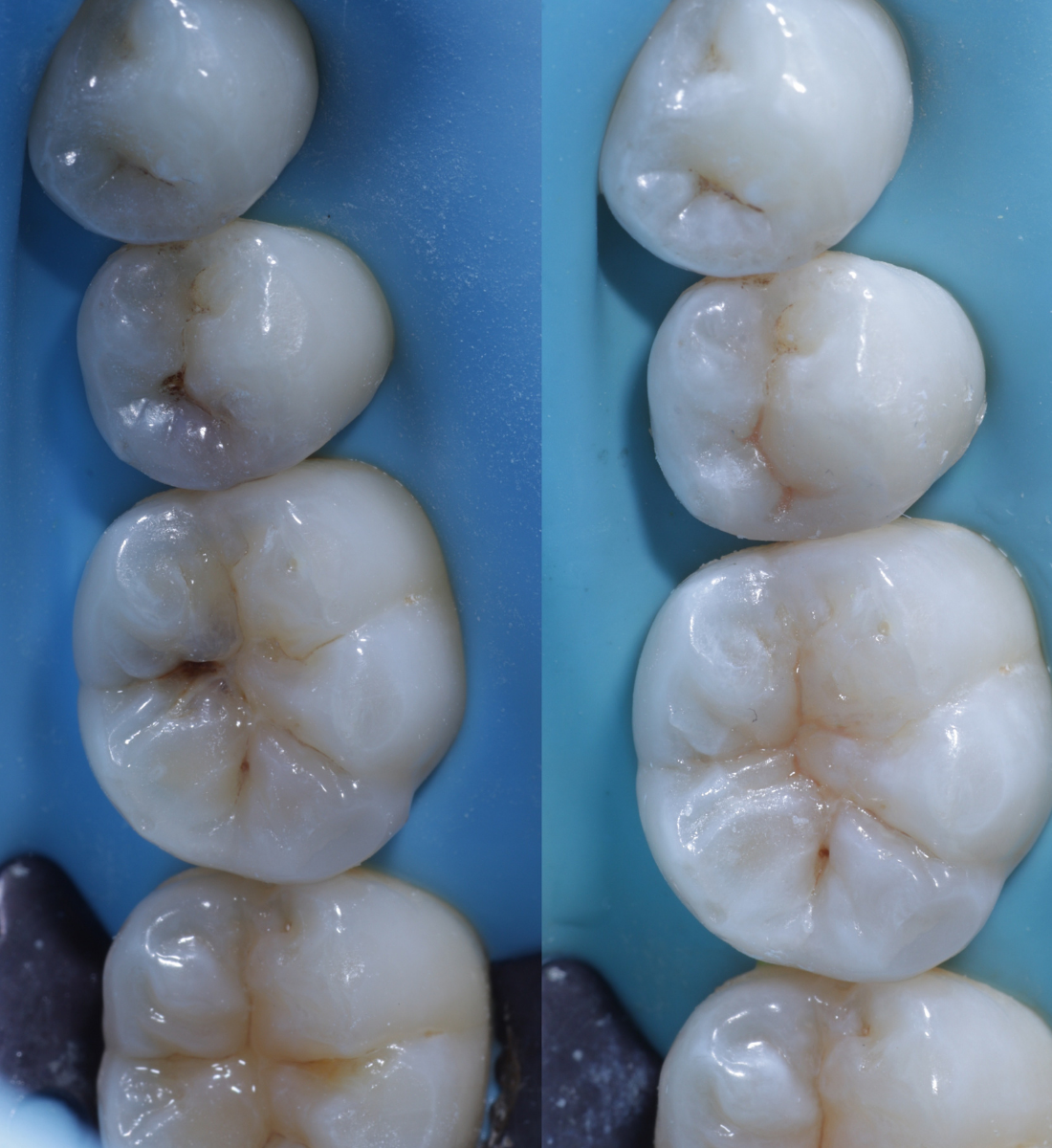
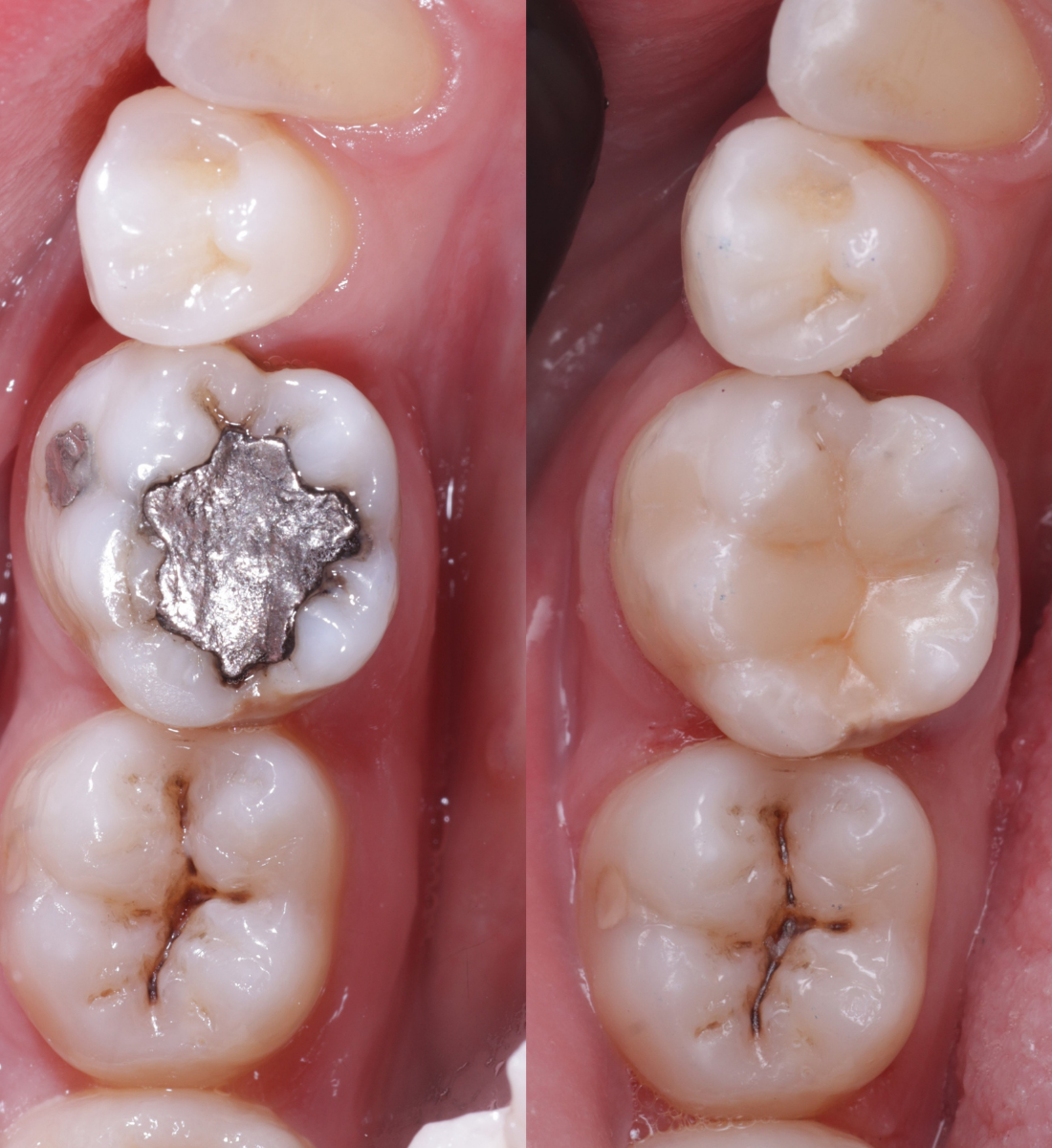
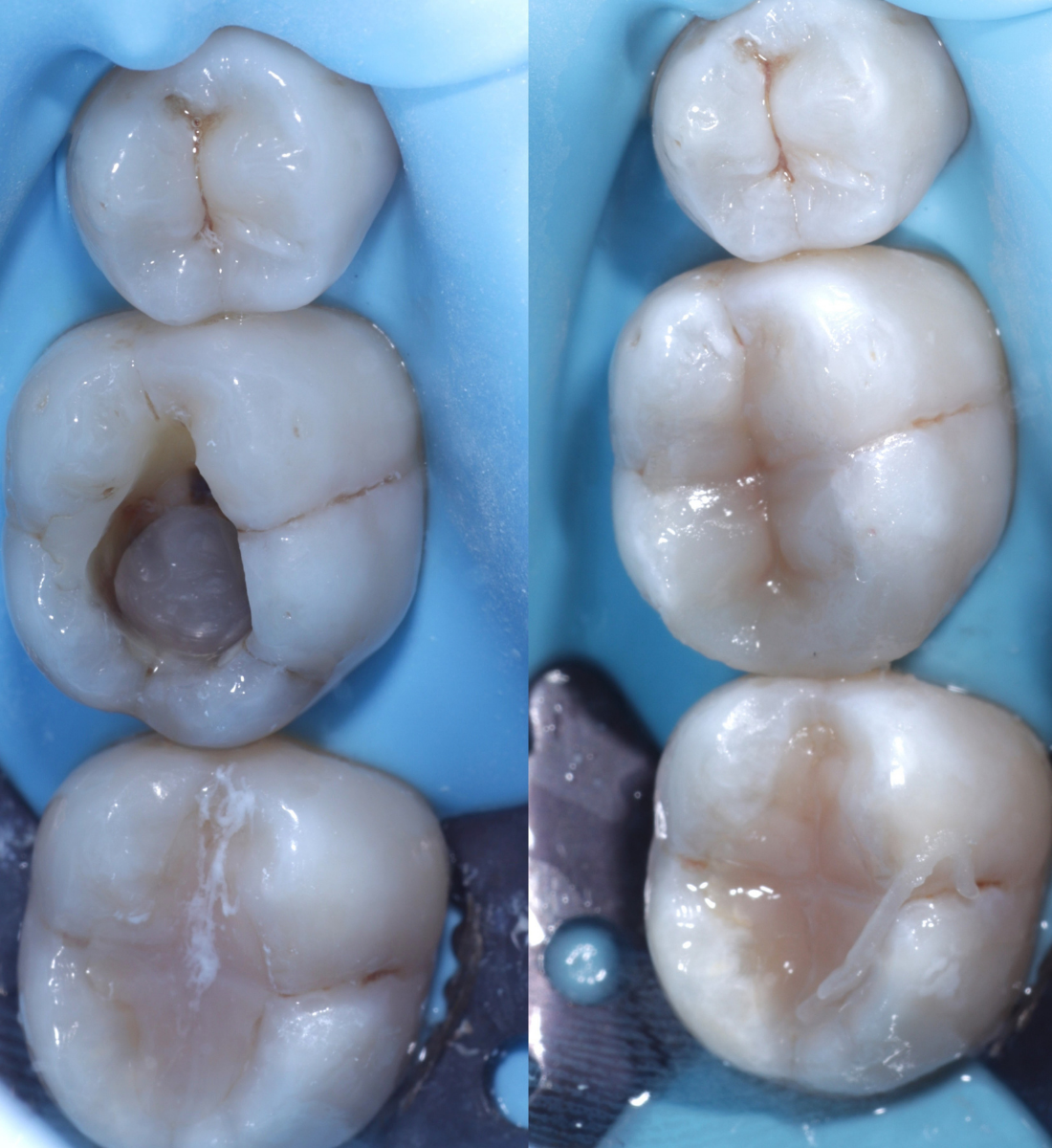
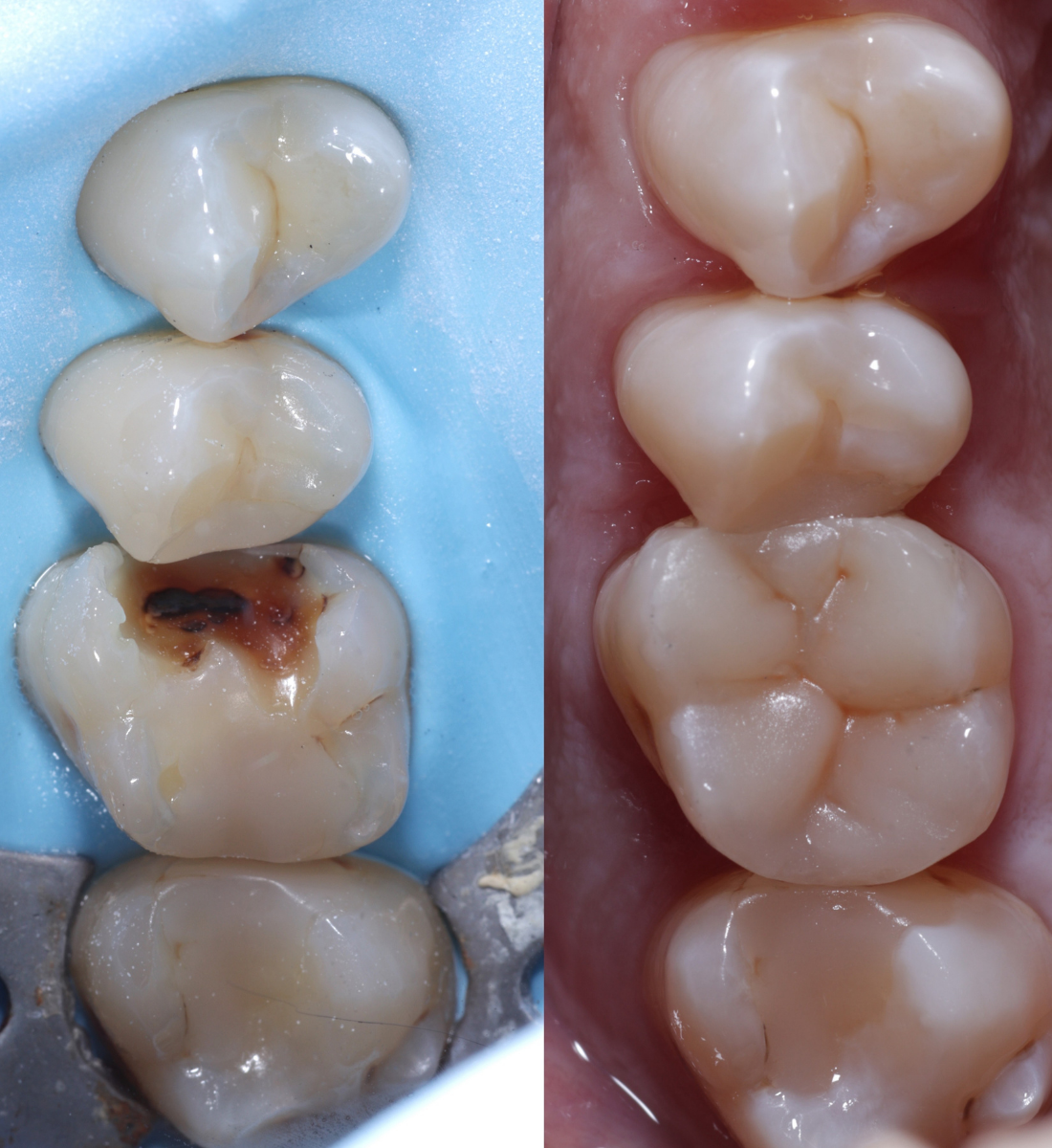
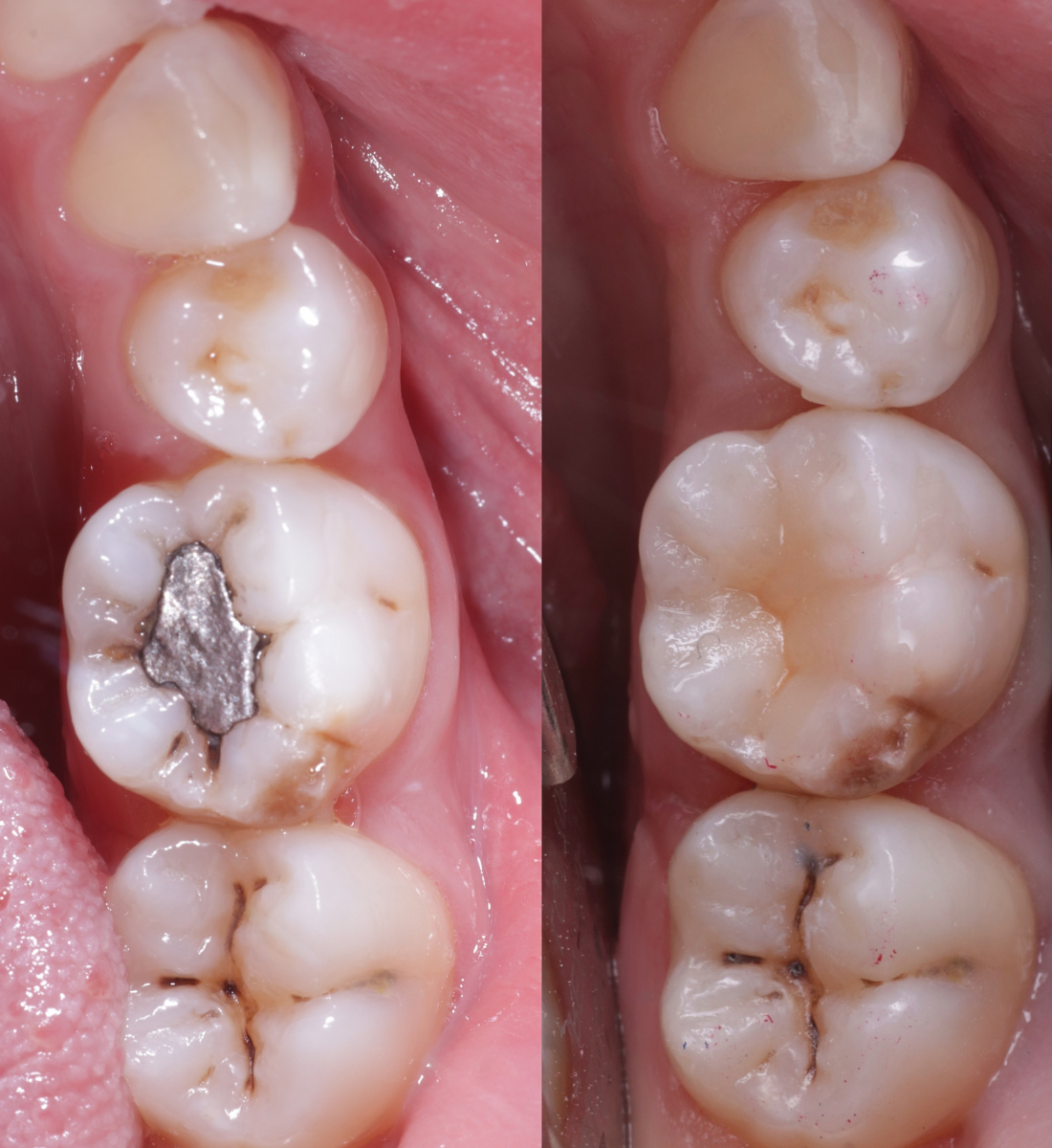
Benefits
Why choose biomimetic dentistry?
Every treatment decision starts with the same question: how much of your natural tooth can we save? The answer, with a biomimetic approach, is almost always more than you'd expect.
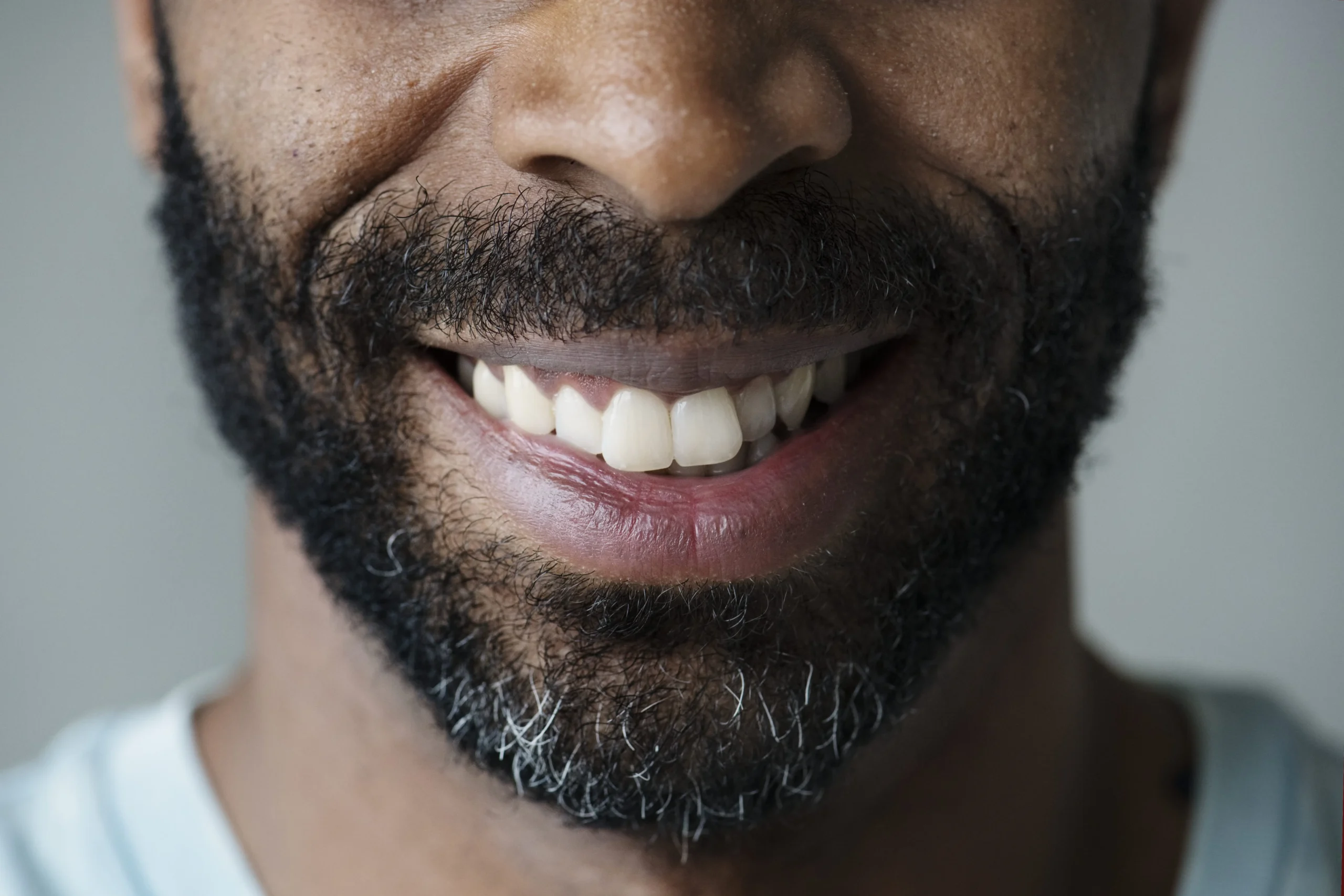
Tooth preserving
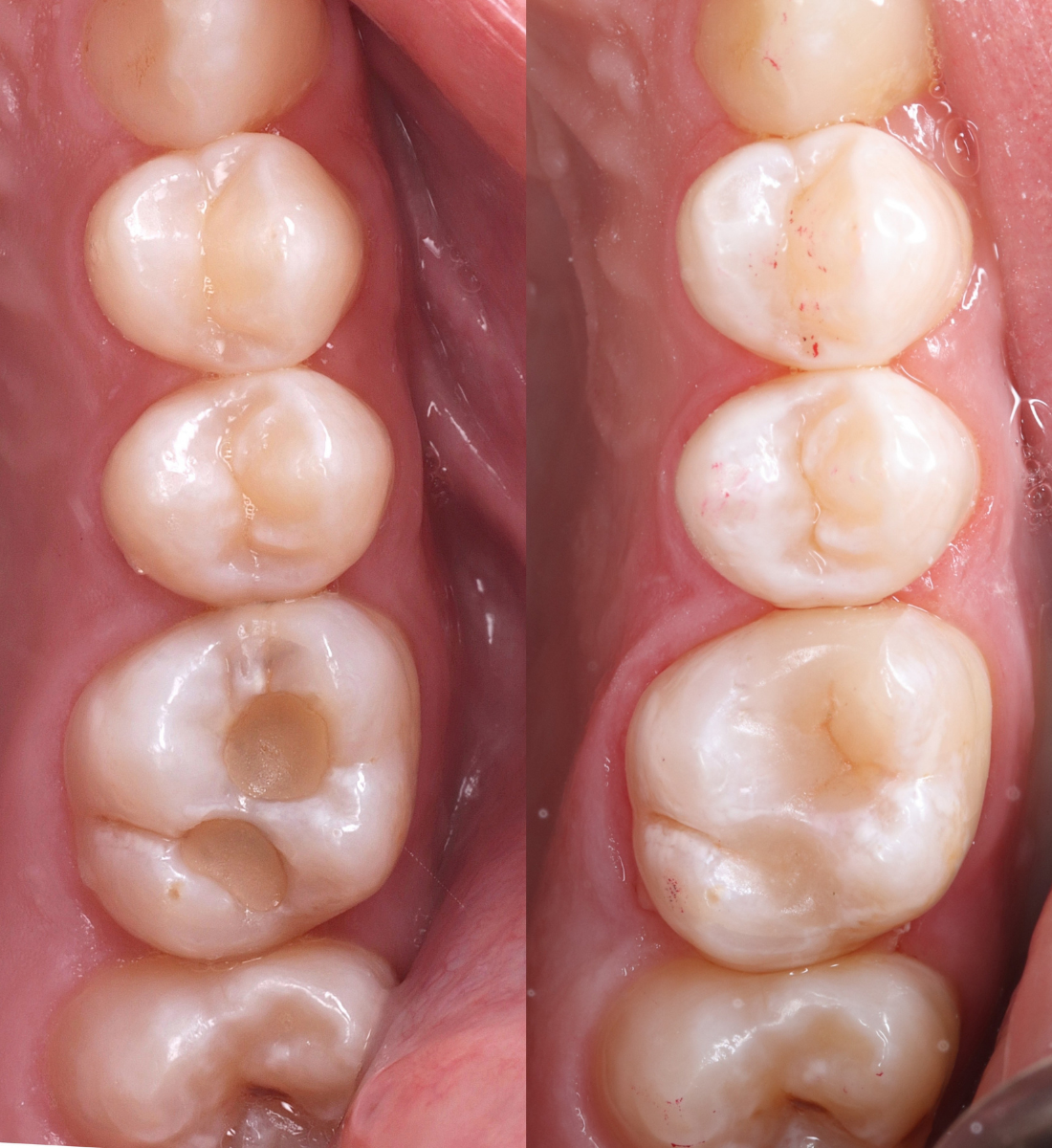
Minimal drilling
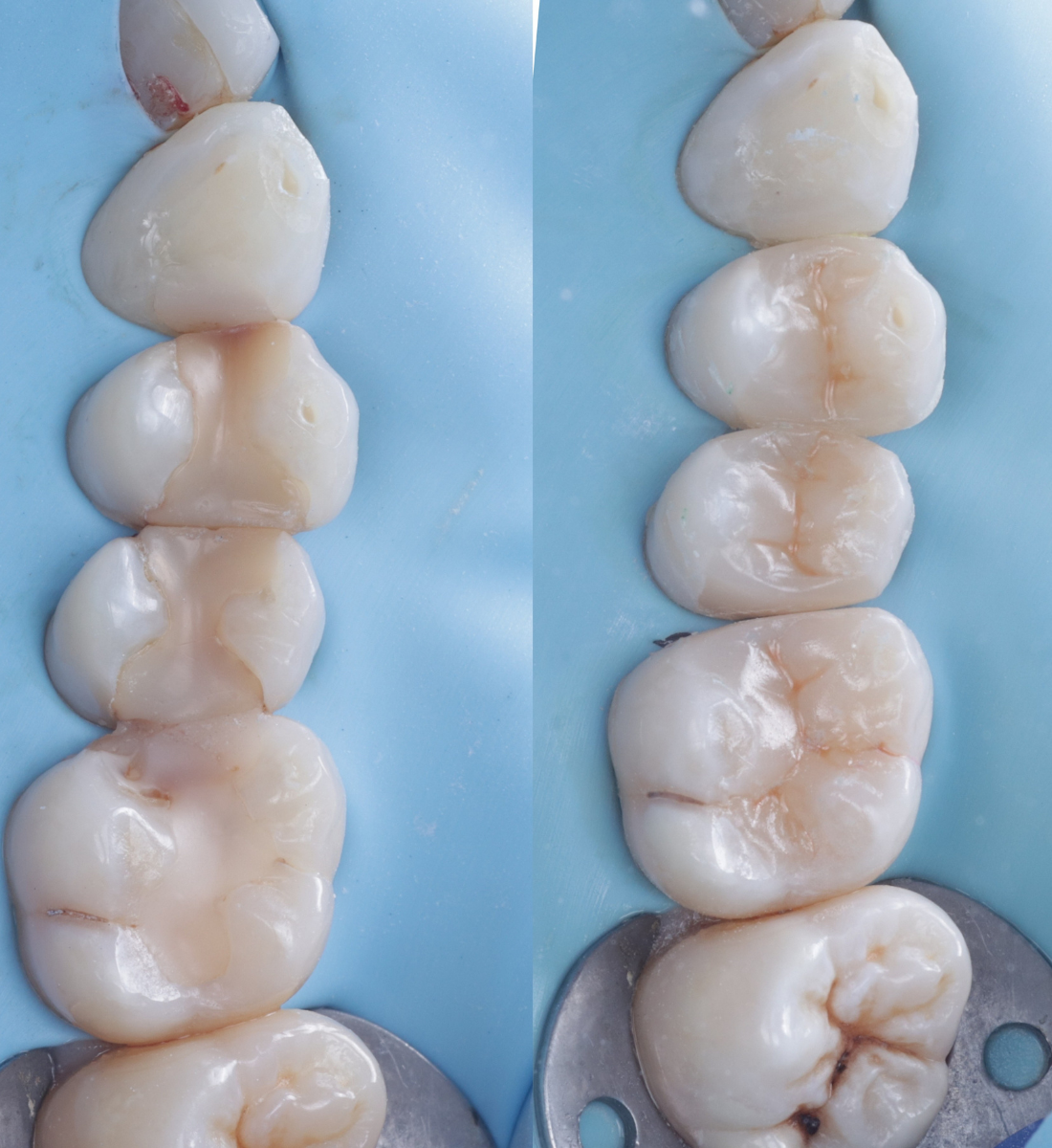
Longer lasting
Keeps more of your natural tooth
Only damaged tissue is removed. Healthy enamel and dentine stay exactly where they are, keeping the tooth structurally strong.
Fewer root canals
Because the nerve isn't disturbed by aggressive drilling, biomimetic restorations dramatically reduce the chance of needing root canal treatment later.
Restorations that last longer
Bonded materials flex with the tooth instead of working against it. This means less stress, fewer cracks and a restoration that holds up over time.
Invisible results
Tooth-coloured ceramics and composites are layered to match the shade and translucency of your natural teeth. The repair blends in completely.
Want a second opinion on a crown?
If you've been told you need a crown or root canal, a biomimetic assessment may reveal a less invasive option.
Is it right for you?
When we use a biomimetic approach

Your concern
"I've been told I need a crown"
Large cavity or broken tooth
The biomimetic option
A bonded onlay instead of a full crown
Rather than drilling the tooth down to a stump, we remove only the damaged area and bond a ceramic onlay or overlay that fits the gap precisely. It seals the tooth, restores its strength and keeps the nerve untouched.
- Preserves up to 70% more tooth
- No cutting into healthy enamel
- Lower root canal risk
FAQs
Frequently asked questions
Clear answers to the questions we hear most often about biomimetic dentistry.